Useful tips and ideas about partying without the need to mix alcohol and drugs. ...


Useful tips and ideas about partying without the need to mix alcohol and drugs. ...
Fentanyl has been causing overdose deaths to spike since 2010. Learn about how drug dealers are lacing heroin with fenta ...

Taking random plants to get high can lead to hallucinations, psychosis, or organ failure. This article reviews the Top 1 ...

This article aims to identify the top 11 countries with the biggest drug issue and discover precisely why these countrie ...

Under medical supervision, some drugs can be beneficial to people in certain situations. However, EVERY drug holds poten ...
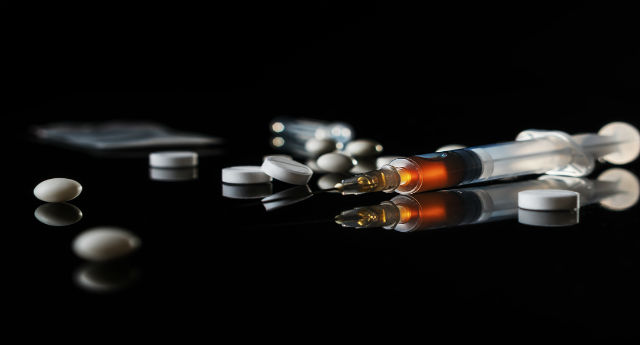
Drug abuse around the world is a social problem, and one with clear steps worth taking. This article explores some main ...

Tip #1 – Know The Landscape, Tip #2 - Educate Yourself, Tip #3 - Drink Water and Lots of It, Tip #4 - Know When to Re ...

You should never mix alcohol with nonsteroidal anti-inflammatory drugs, pain medication, antidepressants and anxiety med ...
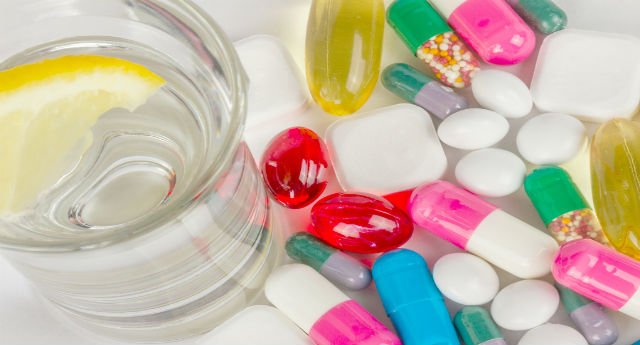
A look at what’s in purple drank, what it does to your body, and how you can tell someone is drinking it. For teens, p ...

A look at the clinical definitions of “substance abuse” and “addiction” with signs of each. Plus, a section on t ...
HOW OUR HELP LINE WORKS
For those seeking addiction treatment for themselves or a loved one, the Addictionblog.org helpline is a private and
convenient solution.
Calls to any general helpline (non-facility specific 1-8XX numbers) for your visit will be answered by
American Addiction Centers (AAC).
Caring admissions consultants are standing by 24/7 to discuss your treatment options. These representatives work
solely for AAC and will discuss whether an AAC facility may be an option for you.
Our helpline is offered at no cost to you and with no obligation to enter into treatment. Neither Addictionblog.org
nor AAC receives any commission or other fee that is dependent upon which treatment provider a visitor may
ultimately choose.
For more information on AAC’s commitment to ethical marketing and treatment practices, or to learn more about how to
select a treatment provider, visit our About AAC.
If you wish to explore additional treatment options or connect with a specific rehab center, you can browse top-rated listings, visit our homepage and browse by state, or visit SAMHSA.